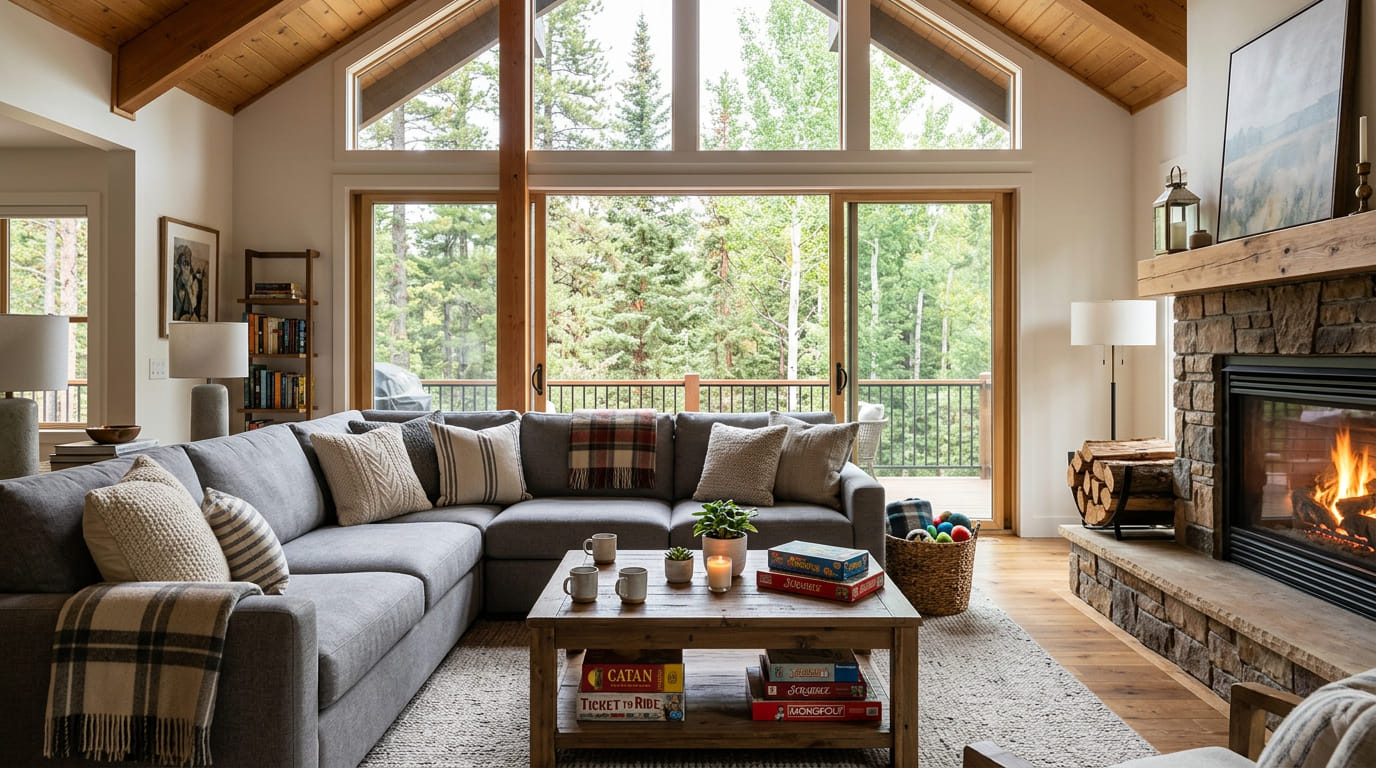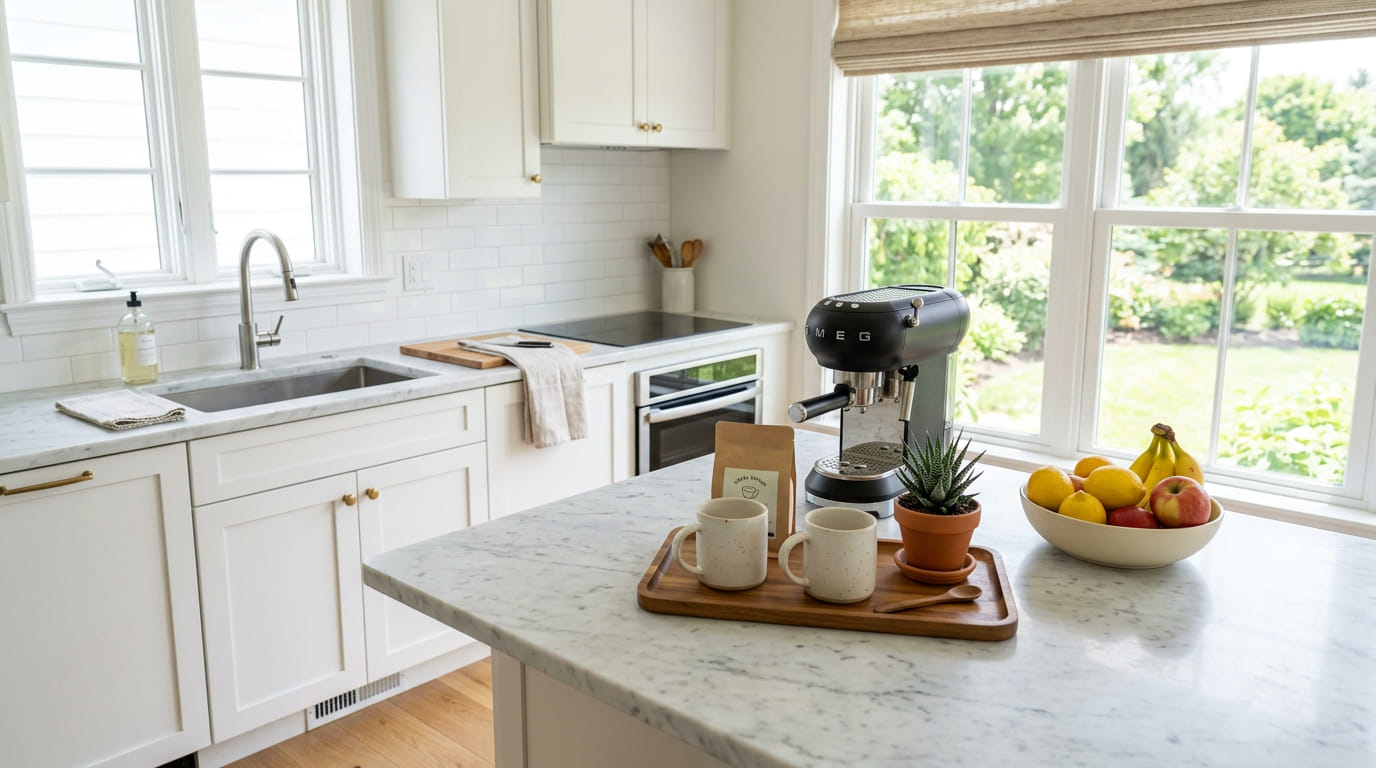
Quick Answer: Pennsylvania does not have a statewide short-term rental permit. But local rules vary widely. Some townships and boroughs require permits, business licenses, or zoning approval for vacation rentals. You will need to collect PA’s 6% sales tax and possibly a local hotel occupancy tax. Always check with your municipality before listing on Airbnb or VRBO.

State-Level Requirements
Pennsylvania does not require a specific “short-term rental license” at the state level. But there are state taxes and regulations that apply to anyone renting a property for less than 30 days.
PA Sales Tax (6%)
Pennsylvania’s 6% sales tax applies to all short-term lodging (stays under 30 days). This includes Airbnb, VRBO, and any other booking platform.
Good news: Both Airbnb and VRBO automatically collect and remit PA sales tax on your behalf in most cases. Check your platform settings to confirm this is active for your listing.
If you book guests directly (outside of platforms), you’re responsible for collecting and remitting this tax yourself through the PA Department of Revenue.
Local Hotel Occupancy Tax
Many Pennsylvania counties and municipalities charge an additional hotel occupancy tax (sometimes called a room tax or bed tax) on short-term stays. Rates vary but typically range from 3% to 5%.
Some examples:
| County / Area | Approximate Hotel Tax |
|---|---|
| Luzerne County | 5% |
| Lackawanna County | 5% |
| Monroe County (Poconos) | 3% |
| Bradford County | 3% |
| Sullivan County | None (as of 2026) |
Check your specific county and municipality. Airbnb and VRBO collect this tax automatically in many PA jurisdictions, but not all. If your area isn’t covered by automatic collection, you’ll need to register with your county and remit the tax yourself.
Local Rules: Where It Gets Complicated
This is where most hosts get tripped up. Pennsylvania leaves short-term rental regulation to local municipalities. That means the rules in one township can be completely different from the next one over.
Zoning
Some municipalities classify short-term rentals differently depending on the zoning district:
- Residential zones — Some allow STR, some don’t. Some allow it with restrictions (owner-occupied only, limited nights per year, etc.)
- Commercial zones — STR is usually permitted.
- Agricultural zones — Rules vary. Some rural townships have no STR regulations at all.
Before you buy a property or list your existing one, call your township or borough office and ask:
- “Are short-term rentals allowed in my zoning district?”
- “Do I need a permit, license, or special exception?”
- “Are there any restrictions on how many nights I can rent?”
Permits and Business Licenses
Some municipalities require:
- A rental permit or short-term rental registration
- A business license (sometimes called a mercantile license)
- An occupancy inspection before you can rent
- Annual renewal of permits
Other municipalities — especially smaller rural townships in NEPA — have no STR-specific regulations at all. Don’t assume. Ask.
Building and Safety Codes
Even where permits aren’t required, your property must comply with basic safety standards:
- Smoke detectors in every bedroom and on every floor
- Carbon monoxide detectors near sleeping areas
- Fire extinguisher in the kitchen and near any fireplace or wood stove
- Clear egress from all bedrooms (windows that open)
- Handrails on stairs and decks
- Hot tub safety — Proper fencing or cover if required locally
Both Airbnb and VRBO require hosts to certify that their property has working smoke and CO detectors.
Insurance
Standard homeowner’s insurance does not cover short-term rental activity. If a guest is injured at your property and you only have a basic homeowner’s policy, you may not be covered.
Insurance Options
- Short-term rental insurance — Policies designed for STR hosts. Companies like Proper, CBIZ, and Safely specialize in this.
- Landlord policy with STR endorsement — Some traditional insurers offer an STR add-on.
- Airbnb AirCover — Airbnb provides host liability coverage up to $1M. It’s a good backup, but most experts recommend it as a supplement, not your only coverage.
- VRBO liability insurance — VRBO offers $1M in primary liability coverage for bookings on their platform.
- Umbrella policy — Adds an extra layer of liability protection across all your properties.
Bottom line: Get dedicated STR insurance. It’s not optional.
LLC Formation for Short-Term Rentals
Many STR investors form an LLC to hold their rental property. This provides:
- Liability protection — Separates your personal assets from the business.
- Tax flexibility — LLCs can be taxed as sole proprietorships, partnerships, or S-corps.
- Professional appearance — An LLC looks more credible on tax forms and contracts.
Forming an LLC in Pennsylvania costs about $125 through the PA Department of State. Consult a CPA or attorney for advice specific to your situation.
HOA Restrictions
If your property is in a community with a homeowner’s association, check the HOA rules before listing. Many HOAs:
- Ban short-term rentals entirely
- Require minimum stay lengths (30+ days)
- Limit the number of rental periods per year
- Require HOA approval before renting
Violating HOA rules can result in fines, liens, or legal action. Read the covenants and restrictions before you buy.
NEPA-Specific Notes
For hosts in Northeast Pennsylvania, here’s what to know:
- Many rural townships in Bradford, Sullivan, Wyoming, and Susquehanna counties have no STR-specific regulations. But check anyway — rules change.
- Monroe County (Poconos) has more developed STR regulations due to high vacation rental volume.
- Luzerne and Lackawanna counties have hotel occupancy taxes that apply to STR.
- Airbnb and VRBO handle tax collection for many PA counties automatically, but not all. Verify your specific location.
- State game lands and state parks attract seasonal demand. Properties near these areas should be set up and compliant well before hunting and foliage season.
Step-by-Step: Getting Compliant
- Check your zoning — Call your township. Ask if STR is allowed in your zone.
- Apply for any required permits — Rental permit, business license, occupancy inspection.
- Register for taxes — Confirm Airbnb/VRBO collects PA sales tax and local hotel tax for your area. If not, register with PA Revenue and your county.
- Get STR insurance — Replace or supplement your homeowner’s policy with proper STR coverage.
- Install safety equipment — Smoke detectors, CO detectors, fire extinguisher, and clear egress.
- Check HOA rules — If applicable, confirm STR is allowed and follow any restrictions.
- Consider an LLC — Talk to a CPA or attorney about entity formation.
Frequently Asked Questions
Do I need a permit to run an Airbnb in Pennsylvania? Pennsylvania has no statewide Airbnb permit. But your local municipality may require a rental permit, business license, or zoning approval. Always check with your township before listing.
Do I have to pay taxes on Airbnb income in Pennsylvania? Yes. PA’s 6% sales tax applies to stays under 30 days. Your county may also charge a hotel occupancy tax. Airbnb and VRBO collect these automatically in many PA areas.
Does homeowner’s insurance cover Airbnb? No. Standard homeowner’s insurance does not cover short-term rental activity. You need dedicated STR insurance, a landlord policy with an STR endorsement, or specialized coverage.
Can I run a short-term rental in any PA township? Not necessarily. Zoning rules vary by municipality. Some townships allow STR with a permit. Some prohibit it in residential zones. Some have no regulations at all. Call your township to find out.
Do I need an LLC to run an Airbnb in PA? It’s not legally required, but it’s recommended. An LLC separates your personal assets from the rental business and provides liability protection. Formation costs about $125 in PA.
Are short-term rentals legal in the Poconos? Yes, in most areas. Monroe County and surrounding municipalities have STR regulations in place. Some require permits and inspections. Check with your specific township for current rules.
Conclusion: Your Next Steps
Pennsylvania doesn’t make it hard to run a short-term rental — but you do need to do your homework at the local level. Tax collection, zoning, permits, and insurance are the four things every host needs to get right before going live.
What to do next:
- Call your township — Ask about zoning, permits, and any STR restrictions.
- Verify tax collection — Check that your platform collects PA sales tax and local hotel tax for your area.
- Get STR insurance — Don’t rely on homeowner’s insurance. Get proper coverage.
- Install safety equipment — Smoke detectors, CO detectors, fire extinguisher.
- Launch your listing — Once compliant, get professional photos and go live.
For more on whether NEPA is a good market for vacation rentals, see Is a Short-Term Rental a Good Investment in Northeast Pennsylvania?.
Ready to launch your vacation rental? Professional photos are step one. We shoot Airbnb and VRBO properties across Northeastern Pennsylvania. Book your shoot today.