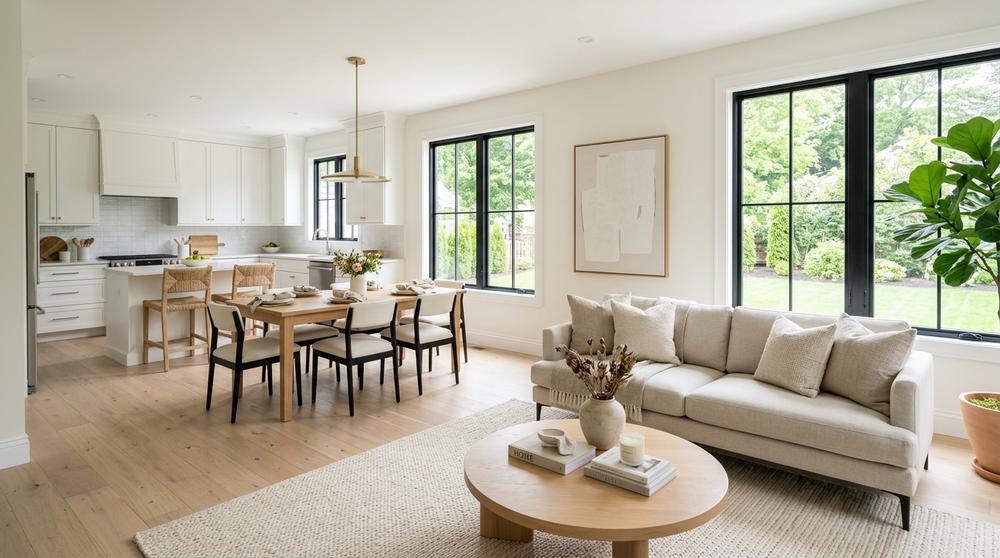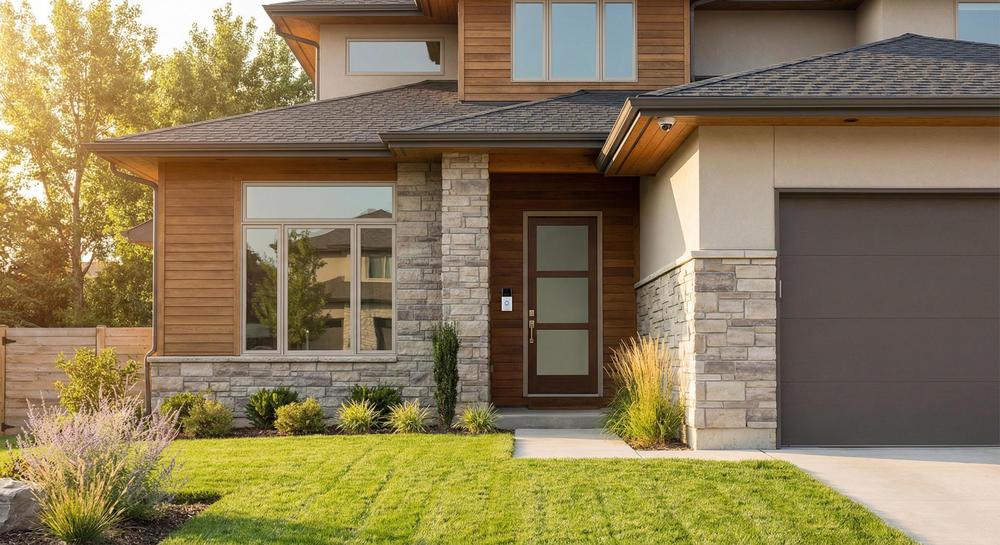

When you’re selling your home in Northeastern Pennsylvania, you’ve likely spent weeks preparing: decluttering, deep cleaning, and making sure everything looks picture-perfect. But even the most diligent sellers can overlook details that buyers immediately notice during a showing. As a real estate photography company that’s been inside hundreds of NEPA homes, we’ve seen firsthand what catches buyers’ attention—for better or worse.
Understanding these often-missed details can mean the difference between an offer and a pass. Let’s explore what buyers are really looking at when they walk through your door.
Related: Before the photos, start with the 3 D’s of home prep—declutter, depersonalize, and deep clean.
The Smells You’ve Stopped Noticing
You might love your morning coffee ritual, but that lingering aroma mixed with yesterday’s cooking can be off-putting to buyers. Even worse: pet odors, musty basements, or that “old house smell” you’ve become nose-blind to over the years.
Buyers notice scents immediately upon entering, and unpleasant odors can trigger concerns about deeper issues like mold, poor ventilation, or pet damage. Before showings, open windows, use neutral air fresheners sparingly, and consider having a friend give you honest feedback about any smells you might have adapted to.
The Lighting (or Lack Thereof)
Dark spaces feel smaller, older, and less inviting. Sellers often underestimate how much lighting affects a buyer’s emotional response to a home. That dim dining room you’ve gotten used to? Buyers see it as depressing or outdated.
Make sure every bulb is working, use the highest appropriate wattage, and open all curtains and blinds before showings. Natural light is your best friend. In rooms that lack windows, consider adding additional lamps to brighten corners. Buyers should walk into bright, welcoming spaces that feel expansive—not cave-like rooms they want to escape quickly.
Water Pressure and Plumbing Quirks
Many buyers will discreetly test faucets and flush toilets during showings. They’re checking water pressure, listening for unusual sounds, and looking for leaks or water stains. That toilet that takes two flushes? That sink that drains slowly? Buyers notice, and they start calculating repair costs.
These are relatively inexpensive fixes that can prevent buyers from lowballing your asking price or walking away entirely. Address plumbing issues before listing, and make sure everything flows smoothly—literally.
The Temperature of Each Room
Is your spare bedroom always colder than the rest of the house? Does the sun-facing living room feel like a sauna in summer? Buyers notice temperature inconsistencies because they signal potential HVAC problems or poor insulation—expensive fixes they’ll want to avoid.
During showings, try to maintain a comfortable, consistent temperature throughout the home. In winter, ensure it’s warm and cozy. In summer, keep it cool and comfortable. And if certain rooms have known temperature issues, consider addressing them proactively or being prepared to discuss them honestly.
Door and Drawer Function
Buyers are hands-on during showings. They’ll open closets, test cabinet doors, and check drawer slides. Sticky doors, drawers that don’t close properly, or closet doors off their tracks send a message: this house hasn’t been well-maintained.
Walk through your home and test every door, drawer, and cabinet. A little WD-40, some tightened screws, or minor adjustments can make everything operate smoothly and give buyers confidence in your home’s overall condition.
Outdated or Worn Window Treatments
You might have had those vertical blinds since 1995, but buyers see them as a dated eyesore that they’ll need to replace immediately. Worn, stained, or broken blinds and curtains make rooms feel neglected and can actually make buyers focus on the wrong things.
Consider removing outdated window treatments entirely to showcase natural light and architectural features, or invest in simple, neutral options that appeal to modern tastes. Clean, well-maintained window treatments—or beautiful bare windows—make rooms feel fresh and updated.
Switch Plates, Outlet Covers, and Hardware
These tiny details seem insignificant, but buyers notice when switch plates are painted over, cracked, or mismatched. The same goes for cabinet hardware, door knobs, and bathroom fixtures. Inconsistency or visible wear suggests a lack of attention to detail.
For minimal investment, you can replace all switch plates and outlet covers with clean white versions, update cabinet hardware throughout the kitchen, and ensure doorknobs and hinges match. These small touches create a cohesive, well-cared-for impression.
The View from Windows
While you’re focused on interior staging, buyers are looking out your windows. They notice the neighbor’s overgrown yard, your own unkempt landscaping visible from inside, or that pile of storage bins on your deck.
Do a “window walk” through your home and look at what’s visible from each one. Tidy up outdoor areas that are in sight lines, and don’t forget about what’s visible from second-story windows looking down at your yard or driveway.
Storage Space Reality
Buyers will absolutely look inside your closets, pantry, and cabinets—even if you’ve decluttered. They’re not being nosy; they’re assessing whether their belongings will fit. Overstuffed storage spaces suggest the home lacks adequate room.
Remove at least a third of what’s in every closet and cabinet before showings. This creates the impression of abundant storage and makes it easier for buyers to envision their own items in these spaces.
The First Step Inside
You only get one chance at a first impression. Buyers form an opinion within seconds of entering your home. Scuffed entryway floors, a cluttered coat closet visible from the door, or an awkward layout immediately upon entering can set a negative tone for the entire showing.
Make sure your entryway is spotless, uncluttered, and welcoming. A fresh doormat, a potted plant, and sparkling clean floors create an inviting threshold that makes buyers eager to see more.
The Professional Advantage
Prep for both listing photos and showings. Great listing photos can get buyers through your door, but it’s addressing these commonly missed details that will get you an offer. The good news? Most of these issues are easily fixable with a critical eye and a weekend of focused attention.
Before your next showing, walk through your home as if you’re seeing it for the first time. Better yet, have a trusted friend or your real estate agent point out what you might be missing. Those small details you’ve stopped noticing could be exactly what’s standing between your current asking price and a successful sale.
Ready for listing photos that highlight every detail buyers want to see? We help agents showcase properties with professional photography that makes a lasting first impression. Book your shoot today.